
Risvutatug Rezetecan in Recurrent Grade 4 Glioma and in Brain Metastases
About the Recurrent Grade 4 Glioma and Brain Metastases Clinical Trial
The Ivy Brain Tumor Center at Barrow Neurological Institute, a nonprofit translational research program, is conducting a Phase 0/1 clinical trial to evaluate Risvutatug Rezetecan (Ris-Rez), a B7-H3–targeted antibody-drug conjugate (ADC), in patients with recurrent grade 4 glioma (rGBM) and patients with brain metastases. An ADC is a cancer treatment that combines an antibody (which find cancer cells) with a strong medicine (that kills them). This helps deliver the drug directly to cancer cells while limiting damage to healthy cells. Ris-Rez is an ADC that was designed to identify a specific protein (B7-H3) on cancer cells and deliver the strong medicine to those cells.
This study is designed to evaluate the pharmacokinetics (PK) and pharmacodynamics (PD) of Ris-Rez. PK testing helps determine how much and how long the drug remains in the body after a dose. It answers the question, ‘did the treatment penetrate the tumor?” PD testing helps determine how the body responds to the drug by looking at changes in biomarkers. Biomarkers are substances in your body that can be measured to help track how the tumor cells reacted to the drug. They include DNA, RNA, and proteins. This study is also looking to answer the following: can the study drug help patients with your type of cancer? What are the side effects of the study drug?
Risvutatug Rezetecan Trial Details
Recruiting
Risvutatug Rezetecan (Ris-Rez)
- Recurrent Grade 4 Glioma
- Brain Metastases

You may be eligible if:
- You are 18 years or older.
- Diagnosed with:
- GBM who have progressed on or following standard of care therapy.
OR - Brain metastasis requiring surgical resection, whether treated or untreated, and must have well-controlled systemic disease or no evidence of disease (NED) other than the brain metastases, in the opinion of the patient’s primary oncologist.
- GBM who have progressed on or following standard of care therapy.
- Has archival or biopsy brain tumor tissue available.
How it works

Once enrolled, a patient receives a short exposure to the experimental therapy days before a planned operation to remove their tumor.
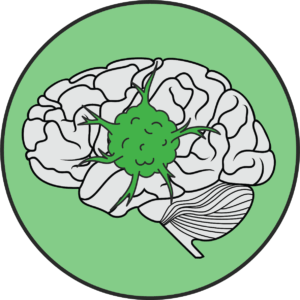
This exposure is enough that when we remove the tumor, our team of experts can answer an important question: Did the treatment penetrate the tumor?
If the drug penetrates the tumor at sufficient levels, the patient may move forward with receiving the treatment in combination with fractionated radiotherapy in the therapeutic expansion phase.

Alternatively, if the treatment has no effect on the tumor, the patient can enroll in another clinical trial without losing time or receiving ineffective treatment.
Am I Eligible?
Submit a free trial screening request today to learn if you may qualify for any of our studies.