

Ivy Blog
Beyond the Headlines: Navigating New Brain Tumor Research

Exploring brain tumor treatments online can be overwhelming. From FDA-approved medications to clinical trials, the rapidly evolving landscape can leave patients feeling adrift and anxious about keeping pace with the latest advancements. Dr. Sanai shared essential tips and tools to decipher these options in his talk at the 2023 ABTA National Conference. We break it down for you in this blog post.
Read More
Managing brain cancer: A caregiver’s perspective
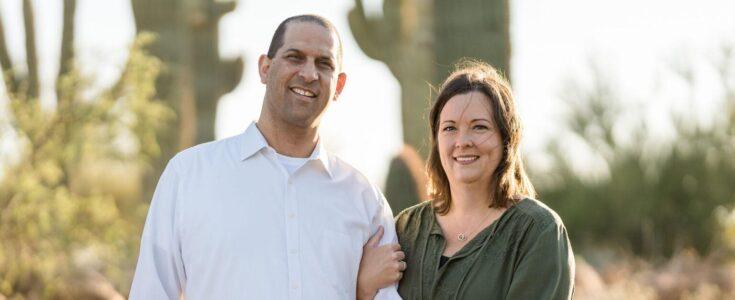
Eileen Berger's world changed drastically when her husband, Scott, had a severe seizure at night, leading to the discovery of a recurring brain tumor. Despite the ongoing anxiety and trauma, they learned to find comfort in gratitude, which transformed their outlook on life and helped them navigate their uncertain journey. Read more about Eileen's story and how she manages brain cancer as a caregiver.
Read More
The Power of Gratitude Is A Gift for Brain Cancer Patients and Caregivers

Gratitude is a powerful emotion. It has the ability to rewire the brain, creating new neural pathways, enhancing the production of serotonin and dopamine neurotransmitters and regulating stress hormones. Research suggests practicing gratitude can provide significant mental and physical benefits. Read our full blog post to get started practicing gratitude.
Read More
Fighting Brain Cancer – A Glioblastoma Story

Jenn Ortiz, a mother of two, is celebrating three years of survivorship this August! Her journey with brain cancer began at the Ivy Center when she was diagnosed with glioblastoma. Despite the challenges she's faced, Jenn remains optimistic, inspiring those around her with her perseverance and undeniable sense of humor. Read her full story here.
Read More
Navigating Brain Tumor Recurrence
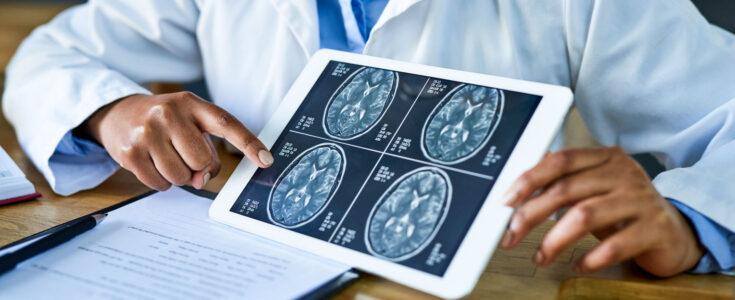
A diagnosis of recurrent brain cancer can be a daunting experience for patients and their loved ones. At the Ivy Brain Tumor Center, we understand the importance of equipping patients with the information and resources they need to face this possibility. That's why we take the time to discuss the likelihood of recurrence, potential symptoms, and available therapies with our patients, empowering them to make informed decisions about their treatment options.
Read More
Robust Glioblastoma Clinical Trials Program Offers Brain Cancer Patients New Treatment Options
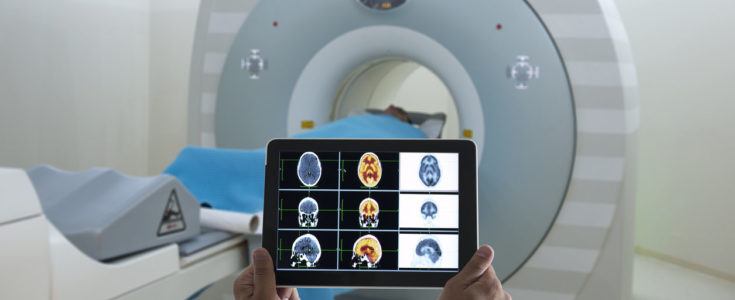
Our team of brain tumor experts have compiled everything you need to know about our clinical trials, including the rationale behind the novel drugs and devices we're investigating as well as some of the initial results we're seeing in brain cancer patients.
Read More
Restoring Intimacy After Brain Cancer

When faced with a brain tumor diagnosis, affection in a relationship can change. From communication strategies to exploring new ways to connect, we share the most practical tips and insights on navigating intimacy after a brain cancer diagnosis.
Read More
What is an Awake Craniotomy?
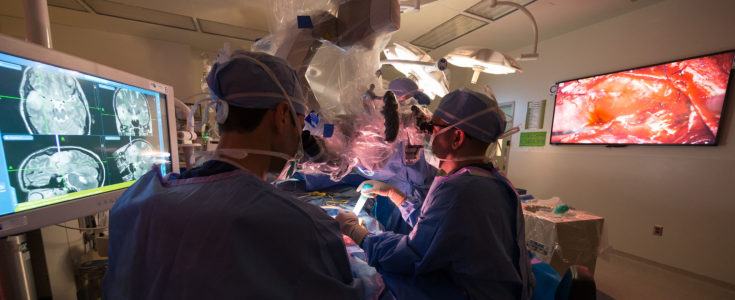
Brain surgery performed while the patient is awake is called an awake craniotomy. This technique allows neurosurgeons to maneuver around eloquent areas of the brain while safely removing tumor tissue. Here are some of the most common questions asked by patients.
Read More
Brain Tumor Patient and Caregiver Education
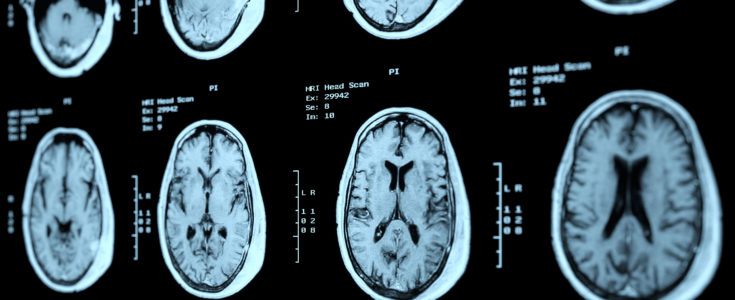
Although each person's experience with a brain tumor is unique, those who receive the diagnosis share similar emotions of worry, fear, and stress. The Ivy Center and Barrow Neurological Institute have created the Brain Tumor Patient & Caregiver Symposium to provide patients and their families with information and support to navigate brain tumor treatment and recovery.
Read More
Q&A: How to Manage Living with Cancer During the Holidays

The holiday season can invite unwelcome guests into your life, such as loneliness, stress and anxiety. In this NCI article, neuro-oncology care providers answered the most common questions they receive during the holidays.
Read More